
Max Müller (Schauspieler)
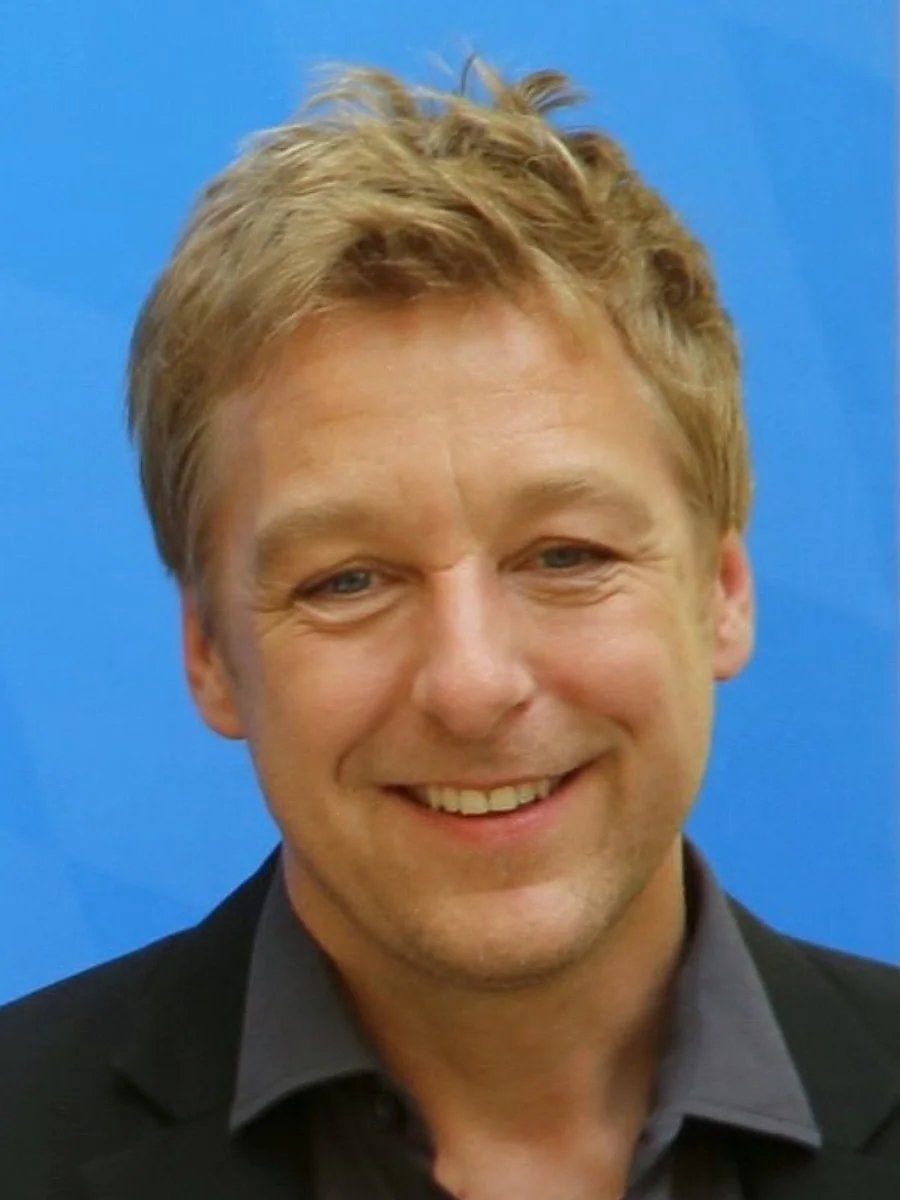
Image from Wikipedia
Image from Wikipedia
Max Müller – The Austrian Actor and Singer with Distinctive Stage Presence
An Artist Balancing Television Popularity, Theater Experience, and Classical Vocal Art
Max Müller, born on March 12, 1965, in Klagenfurt am Wörthersee, is one of those Austrian artists whose career cannot be reduced to a single discipline. As an actor and singer, he combines television presence, stage experience, and musical training into a profile that has had recognition value in the German-speaking world for years. He lives in Vienna and is primarily known to a wide audience through his long-running role in the ZDF series Die Rosenheim-Cops. ([de.wikipedia.org](https://de.wikipedia.org/wiki/Max_M%C3%BCller_%28Schauspieler%29))
Early Years and Education: The Foundation of a Dual Career
His artistic development began in Carinthia and led him to the University of Music and Performing Arts in Vienna, where he studied acting and singing. This training was complemented by lessons from Edith Nordegg, Charlotte Grubenmann, and chamber singer Walter Berry. This combination of drama school and classical vocal training continues to shape his musicality, articulation, and stage presence to this day. ([de.wikipedia.org](https://de.wikipedia.org/wiki/Max_M%C3%BCller_%28Schauspieler%29))
His origins also play an important role in his artistic self-concept. In an interview, he described how early musical experiences with folk songs, canons, and operettas shaped him. At the same time, he spoke of his fascination with interpretation, expression, and the connection between text and melody – an attitude that visibly shapes his later work as both a singer and an actor. ([onlinemerker.com](https://onlinemerker.com/max-mueller-singen-ist-spielen-mit-stimme/))
The Breakthrough on Television: From Guest Roles to a Regular Series Role
On television, Max Müller gradually built a solid profile. Recurring roles in series such as Der Clown and Bernds Hexe made him visible, but the decisive long-term success came in 2002 with Die Rosenheim-Cops, where he became a regular member of the ensemble as Police Officer Michael "Michi" Mohr and later Police Chief. This role became his trademark and made him one of the defining figures of the series. ([de.wikipedia.org](https://de.wikipedia.org/wiki/Max_M%C3%BCller_%28Schauspieler%29))
The continuity of this television role is remarkable: Müller remained present in a production for many years, which stands for Bavarian-Austrian milieu strength, crime humor, and reliable audience retention. Press reports highlight that for over two decades, he has delighted audiences as Michi Mohr and is considered one of the show's great favorites. ([joyn.de](https://www.joyn.de/bts/serien/die-rosenheim-cops/news/die-rosenheim-cops-schauspieler-max-mueller-verraet-das-war-eigentlich-seine-traumrolle-1554?utm_source=openai))
Film, Theater, and Opera: A Versatile Artist
Apart from television, Max Müller has worked in film and on stage. He appeared in front of the camera for Fleischwolf and Alles Walzer; for Fleischwolf, he was invited to several film festivals including Toronto, Montreal, Wels, and Hof. Additionally, he was a member of the ensemble at the Theater in der Josefstadt in Vienna for seven years, underscoring his roots in classical theater work. ([de.wikipedia.org](https://de.wikipedia.org/wiki/Max_M%C3%BCller_%28Schauspieler%29))
He made his opera debut in 2002 in the title role of Franziskus at the Carinthian Summer. It is fitting that his voice type is described as baritone, and he repeatedly appears in public as a trained classical singer. This dual qualification makes him interesting within the German-speaking cultural landscape: He embodies entertainment, musicality, and controlled performance work. ([de.wikipedia.org](https://de.wikipedia.org/wiki/Max_M%C3%BCller_%28Schauspieler%29))
Musical Identity: A Baritone with a Sense for Text, Sound, and Interpretation
As a singer, Müller does not pursue a casual side line, but rather follows an independent artistic approach. In a conversation, he articulated that singing is for him "playing with the voice"; he also spoke about sold-out Christmas concerts at the Musikverein and an early interest in operetta, folk song, and classical vocal music. This blend of popular appeal and musical discipline gives credibility to his singing career. ([onlinemerker.com](https://onlinemerker.com/max-mueller-singen-ist-spielen-mit-stimme/))
His musical side is deeply rooted in practical engagement with language and sound. This is evident not only in his vocal training but also in his handling of programs that he apparently helped to create and direct. This results in the image of an artist who not only interprets but consciously structures musical forms and connects them with a sense of dramaturgy. ([onlinemerker.com](https://onlinemerker.com/max-mueller-singen-ist-spielen-mit-stimme/))
Current Projects and Presence in the 2020s
Even in recent years, Max Müller remains present. According to Management Rehling, he was featured in Die Rosenheim-Cops – Totholz in 2024; additionally, since October 2023, he has been leading another format called Der Sagenjäger – Max Müller auf Spurensuche. These projects demonstrate that his career is not based on nostalgia but continues to be actively and diversely pursued. ([managementrehling.com](https://www.managementrehling.com/portfolio/max-mueller/?utm_source=openai))
Moreover, he continues to be recognized in current media as the face of the enduring ZDF series. The press kit for the 25th anniversary of Die Rosenheim-Cops names him alongside the other original cast members, which impressively confirms his status in the ensemble. In a television environment where many faces change quickly, Müller represents continuity and reliability. ([presseportal.zdf.de](https://presseportal.zdf.de/pressemappe/zdf-vorabendserien-im-herbst-2025?utm_source=openai))
Discography and Musical Works: From Solo Releases to Film Scores
Although Max Müller is primarily known as an actor, he has a clearly documented musical discography. His releases include the single Wir stehen hier jeden Tag from 1989, the CD Max Müller from 1995, Endlich tot from 1999, Filmmusik from 2004, Ich bin kein Spielzeug from 2006, and Die Nostalgie ist auch nicht mehr das was sie einmal war from 2008. These titles reveal an artistic development ranging from song, soundtrack, to conceptual work. ([de.wikipedia.org](https://de.wikipedia.org/wiki/Max_M%C3%BCller_%28Musiker%29))
Additionally, he has contributed musically to films by Jörg Buttgereit and to theater performances at the Bochum Schauspielhaus. This positions Müller not only within the classic singer portrait but also on the border between film music, stage music, and performative art. His work thus gains additional cultural-historical value as it makes the connection between acting, composition, and musical narration visible. ([de.wikipedia.org](https://de.wikipedia.org/wiki/Max_M%C3%BCller_%28Musiker%29))
Critical Perception and Cultural Influence
The public perception of Max Müller derives from multiple levels: lasting series popularity, musical education, and a serious, never garish presence. The press and audience particularly appreciate his combination of friendliness, calmness, and precision. In interviews, it is clear that his art relies on naturalness, understanding of text, and vocal discipline – qualities that resonate in both German television and concert stages. ([onlinemerker.com](https://onlinemerker.com/max-mueller-singen-ist-spielen-mit-stimme/))
Awards further underscore his recognition: Among others, the sources mention the Bavarian State Medal for Internal Security (2017) and the GdP Star (2019). Such honors reflect not only popularity but also a public trust that extends far beyond his television role. This is where his cultural influence lies: He represents a type of artist who seamlessly combines entertainment, seriousness, and musical training. ([de.wikipedia.org](https://de.wikipedia.org/wiki/Max_M%C3%BCller_%28Schauspieler%29))
Conclusion: Why Max Müller Remains Exciting
Max Müller is exciting because he embodies multiple artistic worlds in one person: acting, singing, stage, television, and musical interpretation. His journey from a trained baritone to a long-standing television star shows how sustainable artistic versatility can be when it is paired with craftsmanship and credibility. Those who experience him live do not see a polished routine artist but an experienced performer with a genuine sense for text, sound, and timing. ([de.wikipedia.org](https://de.wikipedia.org/wiki/Max_M%C3%BCller_%28Schauspieler%29))
For this reason, a performance by Max Müller is always worthwhile: he combines audience affection with cultural substance and lends each program a special mix of warmth, elegance, and authority on stage. Those who wish to experience music and acting in the best sense should see him live. ([onlinemerker.com](https://onlinemerker.com/max-mueller-singen-ist-spielen-mit-stimme/))
Official Channels of Max Müller:
- Instagram: no official profile found
- Facebook: no official profile found
- YouTube: no official profile found
- Spotify: no official profile found
- TikTok: no official profile found
Sources:
- Wikipedia – Max Müller (Schauspieler)
- Management Rehling – Max Müller
- Management Rehling – Lebenslauf Max Müller (PDF)
- ORF TV – Studio 2: Stargast Max Müller
- Online Merker – Max Müller: “Singing is Playing with the Voice”
- ZDF – Die Rosenheim-Cops
- ZDF Press Portal – 25 Years of Rosenheim-Cops / Max Müller