
Gera
Nicolaiberg 3, 07545 Gera, Deutschland
Museum of Natural History Gera | Opening Hours & Tickets
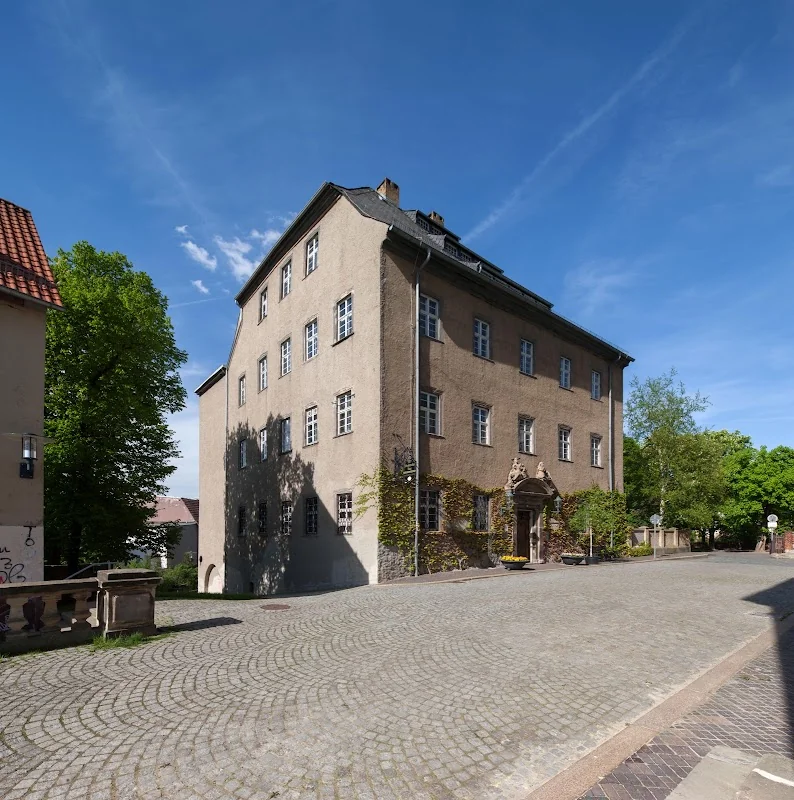
The Museum of Natural History Gera is a place for everyone who wants to experience nature, history, and regional identity in a compact yet content-rich tour. It is located in the Schreiberschen Haus at Nicolaiberg 3 in the old town of Gera, utilizing one of the most distinctive historical buildings in the city for a natural history presentation that ranges from East Thuringia's landscapes to flora and fauna, as well as minerals from around the world. The official museum website combines classic permanent exhibitions with changing special exhibitions, educational offerings, and current event announcements. Those looking for photos and images in advance will also find exterior views, interior spaces, and insights into the museum's educational work on the official page. For practical visits, the key details are clear: it is open from Tuesday to Sunday and on public holidays from 11:00 AM to 5:00 PM, closed on Mondays, payment is cash only, and there is no barrier-free access. ([gera.de](https://www.gera.de/museum-fuer-naturkunde))
Opening Hours, Closing Times, and the Best Time to Visit
Those who want to plan their visit well should first refer to the official opening hours. The Museum of Natural History Gera is regularly open from Tuesday to Sunday and on public holidays from 11:00 AM to 5:00 PM; Monday is closed. These clear times make planning easy, especially for day trips, family visits, and short trips to the old town of Gera. The official visitor service page also points out that groups can arrange appointments outside regular opening hours by prior arrangement. This is particularly interesting for school classes, clubs, or private groups that pursue a specific thematic focus. Equally important is the note that the museum is currently communicating a planned closing period due to a change of exhibition: from August 24, 2026, to October 1, 2026, it will be closed to the public. Group tours or educational events can still take place by arrangement. This information is particularly relevant as it influences not only day visits but also holiday and club planning. ([gera.de](https://www.gera.de/tourismus-freizeit-kultur/museen/museum-fuer-naturkunde/besucherservice))
For SEO and visitor perspective, the point of opening hours is one of the most important search topics as it directly influences the decision to visit. The museum is not a place with changing evening openings or unclear special regulations, but offers stable daytime hours that can be easily combined with a stroll through the old town. The official page also points out that museum education is organized independently of opening hours and appointments with groups must be arranged separately. This is a practical advantage for visitors with specific interests, such as minerals, natural history, or school projects. Those who prefer a quiet visit can orient themselves on weekdays between Tuesday and Thursday; those planning a weekend benefit from the same core hours. Especially because the house shows changing special exhibitions, it is always worth checking the current page before starting to ensure that a planned visit does not collide with a temporary closing phase. Thus, a simple search for opening hours becomes a reliable visit plan with clear expectations. ([gera.de](https://www.gera.de/tourismus-freizeit-kultur/museen/museum-fuer-naturkunde/besucherservice))
Tickets, Admission Prices, and Booking
The Museum of Natural History Gera is also transparent when it comes to tickets. The regular admission price is 6.00 euros, and the reduced ticket is 4.00 euros. Reduced rates apply, among others, to trainees and students over 19 years, severely disabled persons with valid ID, seniors with pension ID, as well as holders of the Thuringian Volunteer Card and the Gera Simson Card. Admission is free for children and young people up to 18 years, as well as for several other eligible groups such as students during educational and holiday events or official guests of the city. Those who visit museums in Gera more frequently can also purchase an annual admission card for all museums for 45.00 euros; it is personal and valid for twelve months. For groups of ten or more, the price is 4.00 euros per person. Additionally, there are public tours with a surcharge of 1.50 euros per person and guided tours by appointment for 40.00 euros per tour. Event packages are also listed on the official page, for example for lectures, anniversaries, or children's birthdays. ([gera.de](https://www.gera.de/tourismus-freizeit-kultur/museen/museum-fuer-naturkunde/besucherservice))
Important for practical planning is the note that only cash payment is possible at the Museum of Natural History Gera. Therefore, anyone wishing to purchase tickets should plan this in advance and not expect to pay by card. This information is particularly relevant in the visitor service logic as it saves time and prevents misunderstandings at the cash register. The pricing structure also shows that the museum is attractive for both individual visitors and families, school groups, and organized groups. Especially in natural history museums, the combination of low individual admission, free visits for children, and clearly regulated group prices is often an important decision criterion. For longer stays or repeated visits, the annual card is sensible, while day visitors primarily benefit from the short and clear price levels. Those focusing specifically on a special exhibition or holiday program will find a comprehensible and well-communicated ticket model. ([gera.de](https://www.gera.de/tourismus-freizeit-kultur/museen/museum-fuer-naturkunde/besucherservice))
Directions, Parking, and Location at Nicolaiberg
The location of the museum is one of its greatest practical advantages. It is located at Nicolaiberg 3 in the old town of Gera, thus centrally anchored in a historical environment. According to the city of Gera, it is possible to arrive by both train and tram. The walking distance from Gera main station is about one kilometer. Those using the tram take the GVB line 1 towards Zwötzen to the Heinrichstraße stop and then have only about 0.4 kilometers to walk. Thus, the museum is also easily accessible without a car, which is particularly useful for guests from the region, day visitors, and travelers using public transport. The central location also ensures that a visit to the museum can be easily combined with a walk through the old town. ([gera.de](https://www.gera.de/tourismus-freizeit-kultur/museen/museum-fuer-naturkunde/besucherservice))
For drivers, the parking information on the official page is particularly specific. There are paid parking spaces directly around the Salvatorkirche in close proximity to the museum, as well as the parking garage Markt/Rathaus in Nicolaistraße and the parking lot Am Markt at Stadtgraben 12, each with a short walking distance. For tour buses, a parking space is designated in Nicolaistraße at the height of the former Goethe-Gymnasium Rutheneum. These details are very useful for group trips or families with several people, as they provide clarity before arrival. At the same time, the city of Gera explicitly points out that the museum is not barrier-free. This is also part of realistic visit planning, as those who rely on step-free access should check alternatives in advance. The combination of a central old town location, good public transport connections, and clearly named parking options makes the museum a well-accessible destination for visitors from Gera and the surrounding area. ([gera.de](https://www.gera.de/tourismus-freizeit-kultur/museen/museum-fuer-naturkunde/besucherservice))
History of the Schreiberschen Haus and the Museum
The historical depth of the museum begins not only with the exhibitions but with the building itself. The Museum of Natural History Gera is located in the Schreiberschen Haus, the oldest preserved town house in the old town of Gera. The building survived the Great Fire of 1780 and has been used as a museum since 1947. The official city website also describes that the house was built between 1686 and 1688 and that an older castle estate and free house stood on the same site. The baroque character of the house is particularly impressive: from this time also comes the magnificent baroque hall on the second floor, whose high baroque stucco ceiling still gives the building a special atmosphere today. Visitors enter the building through the portal made of Kraftsdorfer sandstone, which was created in the second half of the 17th century and later restored in a monument-conforming manner. Thus, the museum is not only a bearer of natural history content but also a significant historical object. ([gera.de](https://www.gera.de/museum-fuer-naturkunde))
The development of the museum itself is closely linked to the upheavals in the city's history. After severe war damage in 1945, salvaged collection holdings were initially stored and subsequently housed in the Schreiberschen Haus. In 1947, the municipal museum found its home there, and from 1950 it was accessible to the public. Over the following years, the house gradually developed into a Natural Science Museum and eventually into a Museum of Natural History. By 1957, natural history exhibitions already dominated, and in 1984 the museum reopened after nine years of closure with the new permanent exhibition East Thuringia as a Landscape Space. Further content steps followed, including the 1994 exhibition Minerals – Building Blocks of the Earth's Crust, 1995 Minerals and Mining in East Thuringia, and 2011 the revision to The Minerals of East Thuringia and The Basics of Minerals. Additionally, the history of the geological collections points to a very early origin: already on March 15, 1878, the city of Gera accepted the geological-mineralogical collection of Johann Christian Seydel as the basis for a museum. This makes it clear how deeply rooted the tradition of natural history collections is in Gera. ([gera.de](https://www.gera.de/museum-fuer-naturkunde))
Exhibitions, Collections, and Special Rooms
In terms of content, the Museum of Natural History Gera offers an astonishing range. The official main page summarizes the profile with the habitats of East Thuringia, regional flora, fauna and geology, the minerals of the earth, as well as changing natural history special exhibitions. Inside, this is implemented very concretely: on the first floor, the exhibition leads through the natural spaces of East Thuringia from the geological foundations to the plant and animal life of forests, meadows, fields, and waters. Protected species such as wildcats, eagle owls, and lady's slipper orchids are also shown there. On the second floor, the baroque hall, the scholars' cabinet, and the minerals of East Thuringia can be found; in the basement and in the Höhler under the building, minerals from around the world are presented. This spatial arrangement is not only aesthetically interesting but also didactically meaningful, as it connects nature, space, and history. ([gera.de](https://www.gera.de/museum-fuer-naturkunde))
Particularly exciting is the relevance of the collection. On May 17, 2026, the museum opened the new presentation of minerals from the Kuhbergbruch in Neumühle/Greiz. The basis for this was a high-quality collection with over 2000 pieces that was donated to the museum; according to the city, this is the most extensive mineralogical new acquisition in the Gera museums since 1916. The presentation provides insight into about 75 mineral species from the outcrop and complements the permanent exhibition with a strong regional focus. Additional current topics include Lithium – The Globally Desired White Gold or Sought and Found, which are announced on the events and exhibitions page. The depth of the collection is also impressive: the museum works with botanical, mineralogical, paleontological, petrographic, and zoological holdings. Therefore, those interested in exhibitions, images, and impressive spaces will find here not only classic display cases but a multifaceted mix of historical building backdrop, collection history, and modern thematic approaches. ([gera.de](https://www.gera.de/museum-fuer-naturkunde))
Events, Holiday Programs, and Museum Education
An important part of the museum's attractiveness is its museum educational work. The children's cabinet Schwalbennest was established in 1984 as a museum educational event space and remains the center of this work to this day. The city of Gera emphasizes that museum education has a long tradition here and that numerous events for children, teenagers, and families regularly take place, especially during the holidays. In 2019 alone, 4,180 preschoolers and students were counted as part of such offerings. Additionally, children's birthdays and other formats can be arranged independently of opening hours. This is an important point for families and schools, as the museum thus becomes not only an exhibition space but an active learning place. The current holiday programs clearly illustrate this: for the summer holidays 2026, activities such as gemstone mining, night creatures, and owls – silent hunters are planned. These involve minerals, nocturnal animals, and the diversity of the owl bird group, complemented by films, tours, and craft offerings. ([gera.de](https://www.gera.de/tourismus-freizeit-kultur/museen/museum-fuer-naturkunde/vermittlung-/-museumspaedagogik))
Public events for adults and mixed target groups are also well established. On June 6, 2026, the mineral meeting in June invited visitors to the courtyard of the museum; there, visitors could purchase minerals, bring finds, and receive professional advice. For June 10, 2026, Fascination Night: Experiencing Insects at Light was announced, for August 14, 2026, a public slide presentation on gypsum as the mineral of the year 2026, and for August 22, 2026, the Museum Night Gera with a later program window until 11:00 PM. The events page also refers to public lectures, exhibition tours, and opening events as recurring formats. This mix of professional events, family offerings, and seasonal programs makes the Museum of Natural History Gera interesting for very diverse target groups. Those looking for a cultural destination that goes beyond the classic museum visit will find here a house with lively communication, tangible holiday offerings, and a clear connection between exhibition, collection, and current scientific communication. ([gera.de](https://www.gera.de/tourismus-freizeit-kultur/museen/museum-fuer-naturkunde/veranstaltungen))
Photos, Images, and First Impressions Before the Visit
Those looking for photos or images before their visit will already get a pretty good impression of the atmosphere of the house on the official museum page. The city of Gera uses images of the exterior appearance of the Schreiberschen Haus, the baroque hall, the entrance, and museum educational situations such as examining natural materials with magnifying glasses. This is particularly important for the search intent for photos of the Museum of Natural History Gera and images of the Museum of Natural History Gera, as visitors can see in advance that it is not a purely static museum, but a place with historical architecture, characterful interiors, and natural history objects that are presented visually in very different ways. The contrast between the historical old building, baroque representative space, and mineral exhibition areas makes the first impression so strong. ([gera.de](https://www.gera.de/museum-fuer-naturkunde/vermittlung-/-museumspaedagogik))
At the same time, one should always understand the images as an invitation, not as a substitute for the real visit. The natural history exhibition thrives on the interplay of space, text, object, and communication. This is especially true for the floor structure with East Thuringia's natural spaces, the scholars' cabinet, and the mineral area in the Höhler. Therefore, those looking for a visually strong excursion destination will find both here: a content-rich natural history museum and an architecturally and spatially striking backdrop. For social media, Google Discover, or quick travel preparation, this is a strong profile, as the house showcases both historical substance and current exhibition content. Precisely for this reason, search queries related to photos, images, and reviews work so well: visitors want to see in advance whether the place meets their expectations, and the museum provides a credible preview with its official pages. ([gera.de](https://www.gera.de/museum-fuer-naturkunde))
Sources:
- City of Gera – Visitor Service Museum of Natural History ([gera.de](https://www.gera.de/tourismus-freizeit-kultur/museen/museum-fuer-naturkunde/besucherservice))
- City of Gera – Museum of Natural History ([gera.de](https://www.gera.de/museum-fuer-naturkunde))
- City of Gera – Communication and Museum Education ([gera.de](https://www.gera.de/tourismus-freizeit-kultur/museen/museum-fuer-naturkunde/vermittlung-/-museumspaedagogik))
- City of Gera – Events and Dates ([gera.de](https://www.gera.de/tourismus-freizeit-kultur/museen/museum-fuer-naturkunde/veranstaltungen))
- City of Gera – History of the Geological Collections ([gera.de](https://www.gera.de/tourismus-freizeit-kultur/museen/museum-fuer-naturkunde/sammlungen/geologische-sammlung))
Show moreShow less
Museum of Natural History Gera | Opening Hours & Tickets
The Museum of Natural History Gera is a place for everyone who wants to experience nature, history, and regional identity in a compact yet content-rich tour. It is located in the Schreiberschen Haus at Nicolaiberg 3 in the old town of Gera, utilizing one of the most distinctive historical buildings in the city for a natural history presentation that ranges from East Thuringia's landscapes to flora and fauna, as well as minerals from around the world. The official museum website combines classic permanent exhibitions with changing special exhibitions, educational offerings, and current event announcements. Those looking for photos and images in advance will also find exterior views, interior spaces, and insights into the museum's educational work on the official page. For practical visits, the key details are clear: it is open from Tuesday to Sunday and on public holidays from 11:00 AM to 5:00 PM, closed on Mondays, payment is cash only, and there is no barrier-free access. ([gera.de](https://www.gera.de/museum-fuer-naturkunde))
Opening Hours, Closing Times, and the Best Time to Visit
Those who want to plan their visit well should first refer to the official opening hours. The Museum of Natural History Gera is regularly open from Tuesday to Sunday and on public holidays from 11:00 AM to 5:00 PM; Monday is closed. These clear times make planning easy, especially for day trips, family visits, and short trips to the old town of Gera. The official visitor service page also points out that groups can arrange appointments outside regular opening hours by prior arrangement. This is particularly interesting for school classes, clubs, or private groups that pursue a specific thematic focus. Equally important is the note that the museum is currently communicating a planned closing period due to a change of exhibition: from August 24, 2026, to October 1, 2026, it will be closed to the public. Group tours or educational events can still take place by arrangement. This information is particularly relevant as it influences not only day visits but also holiday and club planning. ([gera.de](https://www.gera.de/tourismus-freizeit-kultur/museen/museum-fuer-naturkunde/besucherservice))
For SEO and visitor perspective, the point of opening hours is one of the most important search topics as it directly influences the decision to visit. The museum is not a place with changing evening openings or unclear special regulations, but offers stable daytime hours that can be easily combined with a stroll through the old town. The official page also points out that museum education is organized independently of opening hours and appointments with groups must be arranged separately. This is a practical advantage for visitors with specific interests, such as minerals, natural history, or school projects. Those who prefer a quiet visit can orient themselves on weekdays between Tuesday and Thursday; those planning a weekend benefit from the same core hours. Especially because the house shows changing special exhibitions, it is always worth checking the current page before starting to ensure that a planned visit does not collide with a temporary closing phase. Thus, a simple search for opening hours becomes a reliable visit plan with clear expectations. ([gera.de](https://www.gera.de/tourismus-freizeit-kultur/museen/museum-fuer-naturkunde/besucherservice))
Tickets, Admission Prices, and Booking
The Museum of Natural History Gera is also transparent when it comes to tickets. The regular admission price is 6.00 euros, and the reduced ticket is 4.00 euros. Reduced rates apply, among others, to trainees and students over 19 years, severely disabled persons with valid ID, seniors with pension ID, as well as holders of the Thuringian Volunteer Card and the Gera Simson Card. Admission is free for children and young people up to 18 years, as well as for several other eligible groups such as students during educational and holiday events or official guests of the city. Those who visit museums in Gera more frequently can also purchase an annual admission card for all museums for 45.00 euros; it is personal and valid for twelve months. For groups of ten or more, the price is 4.00 euros per person. Additionally, there are public tours with a surcharge of 1.50 euros per person and guided tours by appointment for 40.00 euros per tour. Event packages are also listed on the official page, for example for lectures, anniversaries, or children's birthdays. ([gera.de](https://www.gera.de/tourismus-freizeit-kultur/museen/museum-fuer-naturkunde/besucherservice))
Important for practical planning is the note that only cash payment is possible at the Museum of Natural History Gera. Therefore, anyone wishing to purchase tickets should plan this in advance and not expect to pay by card. This information is particularly relevant in the visitor service logic as it saves time and prevents misunderstandings at the cash register. The pricing structure also shows that the museum is attractive for both individual visitors and families, school groups, and organized groups. Especially in natural history museums, the combination of low individual admission, free visits for children, and clearly regulated group prices is often an important decision criterion. For longer stays or repeated visits, the annual card is sensible, while day visitors primarily benefit from the short and clear price levels. Those focusing specifically on a special exhibition or holiday program will find a comprehensible and well-communicated ticket model. ([gera.de](https://www.gera.de/tourismus-freizeit-kultur/museen/museum-fuer-naturkunde/besucherservice))
Directions, Parking, and Location at Nicolaiberg
The location of the museum is one of its greatest practical advantages. It is located at Nicolaiberg 3 in the old town of Gera, thus centrally anchored in a historical environment. According to the city of Gera, it is possible to arrive by both train and tram. The walking distance from Gera main station is about one kilometer. Those using the tram take the GVB line 1 towards Zwötzen to the Heinrichstraße stop and then have only about 0.4 kilometers to walk. Thus, the museum is also easily accessible without a car, which is particularly useful for guests from the region, day visitors, and travelers using public transport. The central location also ensures that a visit to the museum can be easily combined with a walk through the old town. ([gera.de](https://www.gera.de/tourismus-freizeit-kultur/museen/museum-fuer-naturkunde/besucherservice))
For drivers, the parking information on the official page is particularly specific. There are paid parking spaces directly around the Salvatorkirche in close proximity to the museum, as well as the parking garage Markt/Rathaus in Nicolaistraße and the parking lot Am Markt at Stadtgraben 12, each with a short walking distance. For tour buses, a parking space is designated in Nicolaistraße at the height of the former Goethe-Gymnasium Rutheneum. These details are very useful for group trips or families with several people, as they provide clarity before arrival. At the same time, the city of Gera explicitly points out that the museum is not barrier-free. This is also part of realistic visit planning, as those who rely on step-free access should check alternatives in advance. The combination of a central old town location, good public transport connections, and clearly named parking options makes the museum a well-accessible destination for visitors from Gera and the surrounding area. ([gera.de](https://www.gera.de/tourismus-freizeit-kultur/museen/museum-fuer-naturkunde/besucherservice))
History of the Schreiberschen Haus and the Museum
The historical depth of the museum begins not only with the exhibitions but with the building itself. The Museum of Natural History Gera is located in the Schreiberschen Haus, the oldest preserved town house in the old town of Gera. The building survived the Great Fire of 1780 and has been used as a museum since 1947. The official city website also describes that the house was built between 1686 and 1688 and that an older castle estate and free house stood on the same site. The baroque character of the house is particularly impressive: from this time also comes the magnificent baroque hall on the second floor, whose high baroque stucco ceiling still gives the building a special atmosphere today. Visitors enter the building through the portal made of Kraftsdorfer sandstone, which was created in the second half of the 17th century and later restored in a monument-conforming manner. Thus, the museum is not only a bearer of natural history content but also a significant historical object. ([gera.de](https://www.gera.de/museum-fuer-naturkunde))
The development of the museum itself is closely linked to the upheavals in the city's history. After severe war damage in 1945, salvaged collection holdings were initially stored and subsequently housed in the Schreiberschen Haus. In 1947, the municipal museum found its home there, and from 1950 it was accessible to the public. Over the following years, the house gradually developed into a Natural Science Museum and eventually into a Museum of Natural History. By 1957, natural history exhibitions already dominated, and in 1984 the museum reopened after nine years of closure with the new permanent exhibition East Thuringia as a Landscape Space. Further content steps followed, including the 1994 exhibition Minerals – Building Blocks of the Earth's Crust, 1995 Minerals and Mining in East Thuringia, and 2011 the revision to The Minerals of East Thuringia and The Basics of Minerals. Additionally, the history of the geological collections points to a very early origin: already on March 15, 1878, the city of Gera accepted the geological-mineralogical collection of Johann Christian Seydel as the basis for a museum. This makes it clear how deeply rooted the tradition of natural history collections is in Gera. ([gera.de](https://www.gera.de/museum-fuer-naturkunde))
Exhibitions, Collections, and Special Rooms
In terms of content, the Museum of Natural History Gera offers an astonishing range. The official main page summarizes the profile with the habitats of East Thuringia, regional flora, fauna and geology, the minerals of the earth, as well as changing natural history special exhibitions. Inside, this is implemented very concretely: on the first floor, the exhibition leads through the natural spaces of East Thuringia from the geological foundations to the plant and animal life of forests, meadows, fields, and waters. Protected species such as wildcats, eagle owls, and lady's slipper orchids are also shown there. On the second floor, the baroque hall, the scholars' cabinet, and the minerals of East Thuringia can be found; in the basement and in the Höhler under the building, minerals from around the world are presented. This spatial arrangement is not only aesthetically interesting but also didactically meaningful, as it connects nature, space, and history. ([gera.de](https://www.gera.de/museum-fuer-naturkunde))
Particularly exciting is the relevance of the collection. On May 17, 2026, the museum opened the new presentation of minerals from the Kuhbergbruch in Neumühle/Greiz. The basis for this was a high-quality collection with over 2000 pieces that was donated to the museum; according to the city, this is the most extensive mineralogical new acquisition in the Gera museums since 1916. The presentation provides insight into about 75 mineral species from the outcrop and complements the permanent exhibition with a strong regional focus. Additional current topics include Lithium – The Globally Desired White Gold or Sought and Found, which are announced on the events and exhibitions page. The depth of the collection is also impressive: the museum works with botanical, mineralogical, paleontological, petrographic, and zoological holdings. Therefore, those interested in exhibitions, images, and impressive spaces will find here not only classic display cases but a multifaceted mix of historical building backdrop, collection history, and modern thematic approaches. ([gera.de](https://www.gera.de/museum-fuer-naturkunde))
Events, Holiday Programs, and Museum Education
An important part of the museum's attractiveness is its museum educational work. The children's cabinet Schwalbennest was established in 1984 as a museum educational event space and remains the center of this work to this day. The city of Gera emphasizes that museum education has a long tradition here and that numerous events for children, teenagers, and families regularly take place, especially during the holidays. In 2019 alone, 4,180 preschoolers and students were counted as part of such offerings. Additionally, children's birthdays and other formats can be arranged independently of opening hours. This is an important point for families and schools, as the museum thus becomes not only an exhibition space but an active learning place. The current holiday programs clearly illustrate this: for the summer holidays 2026, activities such as gemstone mining, night creatures, and owls – silent hunters are planned. These involve minerals, nocturnal animals, and the diversity of the owl bird group, complemented by films, tours, and craft offerings. ([gera.de](https://www.gera.de/tourismus-freizeit-kultur/museen/museum-fuer-naturkunde/vermittlung-/-museumspaedagogik))
Public events for adults and mixed target groups are also well established. On June 6, 2026, the mineral meeting in June invited visitors to the courtyard of the museum; there, visitors could purchase minerals, bring finds, and receive professional advice. For June 10, 2026, Fascination Night: Experiencing Insects at Light was announced, for August 14, 2026, a public slide presentation on gypsum as the mineral of the year 2026, and for August 22, 2026, the Museum Night Gera with a later program window until 11:00 PM. The events page also refers to public lectures, exhibition tours, and opening events as recurring formats. This mix of professional events, family offerings, and seasonal programs makes the Museum of Natural History Gera interesting for very diverse target groups. Those looking for a cultural destination that goes beyond the classic museum visit will find here a house with lively communication, tangible holiday offerings, and a clear connection between exhibition, collection, and current scientific communication. ([gera.de](https://www.gera.de/tourismus-freizeit-kultur/museen/museum-fuer-naturkunde/veranstaltungen))
Photos, Images, and First Impressions Before the Visit
Those looking for photos or images before their visit will already get a pretty good impression of the atmosphere of the house on the official museum page. The city of Gera uses images of the exterior appearance of the Schreiberschen Haus, the baroque hall, the entrance, and museum educational situations such as examining natural materials with magnifying glasses. This is particularly important for the search intent for photos of the Museum of Natural History Gera and images of the Museum of Natural History Gera, as visitors can see in advance that it is not a purely static museum, but a place with historical architecture, characterful interiors, and natural history objects that are presented visually in very different ways. The contrast between the historical old building, baroque representative space, and mineral exhibition areas makes the first impression so strong. ([gera.de](https://www.gera.de/museum-fuer-naturkunde/vermittlung-/-museumspaedagogik))
At the same time, one should always understand the images as an invitation, not as a substitute for the real visit. The natural history exhibition thrives on the interplay of space, text, object, and communication. This is especially true for the floor structure with East Thuringia's natural spaces, the scholars' cabinet, and the mineral area in the Höhler. Therefore, those looking for a visually strong excursion destination will find both here: a content-rich natural history museum and an architecturally and spatially striking backdrop. For social media, Google Discover, or quick travel preparation, this is a strong profile, as the house showcases both historical substance and current exhibition content. Precisely for this reason, search queries related to photos, images, and reviews work so well: visitors want to see in advance whether the place meets their expectations, and the museum provides a credible preview with its official pages. ([gera.de](https://www.gera.de/museum-fuer-naturkunde))
Sources:
- City of Gera – Visitor Service Museum of Natural History ([gera.de](https://www.gera.de/tourismus-freizeit-kultur/museen/museum-fuer-naturkunde/besucherservice))
- City of Gera – Museum of Natural History ([gera.de](https://www.gera.de/museum-fuer-naturkunde))
- City of Gera – Communication and Museum Education ([gera.de](https://www.gera.de/tourismus-freizeit-kultur/museen/museum-fuer-naturkunde/vermittlung-/-museumspaedagogik))
- City of Gera – Events and Dates ([gera.de](https://www.gera.de/tourismus-freizeit-kultur/museen/museum-fuer-naturkunde/veranstaltungen))
- City of Gera – History of the Geological Collections ([gera.de](https://www.gera.de/tourismus-freizeit-kultur/museen/museum-fuer-naturkunde/sammlungen/geologische-sammlung))
Museum of Natural History Gera | Opening Hours & Tickets
The Museum of Natural History Gera is a place for everyone who wants to experience nature, history, and regional identity in a compact yet content-rich tour. It is located in the Schreiberschen Haus at Nicolaiberg 3 in the old town of Gera, utilizing one of the most distinctive historical buildings in the city for a natural history presentation that ranges from East Thuringia's landscapes to flora and fauna, as well as minerals from around the world. The official museum website combines classic permanent exhibitions with changing special exhibitions, educational offerings, and current event announcements. Those looking for photos and images in advance will also find exterior views, interior spaces, and insights into the museum's educational work on the official page. For practical visits, the key details are clear: it is open from Tuesday to Sunday and on public holidays from 11:00 AM to 5:00 PM, closed on Mondays, payment is cash only, and there is no barrier-free access. ([gera.de](https://www.gera.de/museum-fuer-naturkunde))
Opening Hours, Closing Times, and the Best Time to Visit
Those who want to plan their visit well should first refer to the official opening hours. The Museum of Natural History Gera is regularly open from Tuesday to Sunday and on public holidays from 11:00 AM to 5:00 PM; Monday is closed. These clear times make planning easy, especially for day trips, family visits, and short trips to the old town of Gera. The official visitor service page also points out that groups can arrange appointments outside regular opening hours by prior arrangement. This is particularly interesting for school classes, clubs, or private groups that pursue a specific thematic focus. Equally important is the note that the museum is currently communicating a planned closing period due to a change of exhibition: from August 24, 2026, to October 1, 2026, it will be closed to the public. Group tours or educational events can still take place by arrangement. This information is particularly relevant as it influences not only day visits but also holiday and club planning. ([gera.de](https://www.gera.de/tourismus-freizeit-kultur/museen/museum-fuer-naturkunde/besucherservice))
For SEO and visitor perspective, the point of opening hours is one of the most important search topics as it directly influences the decision to visit. The museum is not a place with changing evening openings or unclear special regulations, but offers stable daytime hours that can be easily combined with a stroll through the old town. The official page also points out that museum education is organized independently of opening hours and appointments with groups must be arranged separately. This is a practical advantage for visitors with specific interests, such as minerals, natural history, or school projects. Those who prefer a quiet visit can orient themselves on weekdays between Tuesday and Thursday; those planning a weekend benefit from the same core hours. Especially because the house shows changing special exhibitions, it is always worth checking the current page before starting to ensure that a planned visit does not collide with a temporary closing phase. Thus, a simple search for opening hours becomes a reliable visit plan with clear expectations. ([gera.de](https://www.gera.de/tourismus-freizeit-kultur/museen/museum-fuer-naturkunde/besucherservice))
Tickets, Admission Prices, and Booking
The Museum of Natural History Gera is also transparent when it comes to tickets. The regular admission price is 6.00 euros, and the reduced ticket is 4.00 euros. Reduced rates apply, among others, to trainees and students over 19 years, severely disabled persons with valid ID, seniors with pension ID, as well as holders of the Thuringian Volunteer Card and the Gera Simson Card. Admission is free for children and young people up to 18 years, as well as for several other eligible groups such as students during educational and holiday events or official guests of the city. Those who visit museums in Gera more frequently can also purchase an annual admission card for all museums for 45.00 euros; it is personal and valid for twelve months. For groups of ten or more, the price is 4.00 euros per person. Additionally, there are public tours with a surcharge of 1.50 euros per person and guided tours by appointment for 40.00 euros per tour. Event packages are also listed on the official page, for example for lectures, anniversaries, or children's birthdays. ([gera.de](https://www.gera.de/tourismus-freizeit-kultur/museen/museum-fuer-naturkunde/besucherservice))
Important for practical planning is the note that only cash payment is possible at the Museum of Natural History Gera. Therefore, anyone wishing to purchase tickets should plan this in advance and not expect to pay by card. This information is particularly relevant in the visitor service logic as it saves time and prevents misunderstandings at the cash register. The pricing structure also shows that the museum is attractive for both individual visitors and families, school groups, and organized groups. Especially in natural history museums, the combination of low individual admission, free visits for children, and clearly regulated group prices is often an important decision criterion. For longer stays or repeated visits, the annual card is sensible, while day visitors primarily benefit from the short and clear price levels. Those focusing specifically on a special exhibition or holiday program will find a comprehensible and well-communicated ticket model. ([gera.de](https://www.gera.de/tourismus-freizeit-kultur/museen/museum-fuer-naturkunde/besucherservice))
Directions, Parking, and Location at Nicolaiberg
The location of the museum is one of its greatest practical advantages. It is located at Nicolaiberg 3 in the old town of Gera, thus centrally anchored in a historical environment. According to the city of Gera, it is possible to arrive by both train and tram. The walking distance from Gera main station is about one kilometer. Those using the tram take the GVB line 1 towards Zwötzen to the Heinrichstraße stop and then have only about 0.4 kilometers to walk. Thus, the museum is also easily accessible without a car, which is particularly useful for guests from the region, day visitors, and travelers using public transport. The central location also ensures that a visit to the museum can be easily combined with a walk through the old town. ([gera.de](https://www.gera.de/tourismus-freizeit-kultur/museen/museum-fuer-naturkunde/besucherservice))
For drivers, the parking information on the official page is particularly specific. There are paid parking spaces directly around the Salvatorkirche in close proximity to the museum, as well as the parking garage Markt/Rathaus in Nicolaistraße and the parking lot Am Markt at Stadtgraben 12, each with a short walking distance. For tour buses, a parking space is designated in Nicolaistraße at the height of the former Goethe-Gymnasium Rutheneum. These details are very useful for group trips or families with several people, as they provide clarity before arrival. At the same time, the city of Gera explicitly points out that the museum is not barrier-free. This is also part of realistic visit planning, as those who rely on step-free access should check alternatives in advance. The combination of a central old town location, good public transport connections, and clearly named parking options makes the museum a well-accessible destination for visitors from Gera and the surrounding area. ([gera.de](https://www.gera.de/tourismus-freizeit-kultur/museen/museum-fuer-naturkunde/besucherservice))
History of the Schreiberschen Haus and the Museum
The historical depth of the museum begins not only with the exhibitions but with the building itself. The Museum of Natural History Gera is located in the Schreiberschen Haus, the oldest preserved town house in the old town of Gera. The building survived the Great Fire of 1780 and has been used as a museum since 1947. The official city website also describes that the house was built between 1686 and 1688 and that an older castle estate and free house stood on the same site. The baroque character of the house is particularly impressive: from this time also comes the magnificent baroque hall on the second floor, whose high baroque stucco ceiling still gives the building a special atmosphere today. Visitors enter the building through the portal made of Kraftsdorfer sandstone, which was created in the second half of the 17th century and later restored in a monument-conforming manner. Thus, the museum is not only a bearer of natural history content but also a significant historical object. ([gera.de](https://www.gera.de/museum-fuer-naturkunde))
The development of the museum itself is closely linked to the upheavals in the city's history. After severe war damage in 1945, salvaged collection holdings were initially stored and subsequently housed in the Schreiberschen Haus. In 1947, the municipal museum found its home there, and from 1950 it was accessible to the public. Over the following years, the house gradually developed into a Natural Science Museum and eventually into a Museum of Natural History. By 1957, natural history exhibitions already dominated, and in 1984 the museum reopened after nine years of closure with the new permanent exhibition East Thuringia as a Landscape Space. Further content steps followed, including the 1994 exhibition Minerals – Building Blocks of the Earth's Crust, 1995 Minerals and Mining in East Thuringia, and 2011 the revision to The Minerals of East Thuringia and The Basics of Minerals. Additionally, the history of the geological collections points to a very early origin: already on March 15, 1878, the city of Gera accepted the geological-mineralogical collection of Johann Christian Seydel as the basis for a museum. This makes it clear how deeply rooted the tradition of natural history collections is in Gera. ([gera.de](https://www.gera.de/museum-fuer-naturkunde))
Exhibitions, Collections, and Special Rooms
In terms of content, the Museum of Natural History Gera offers an astonishing range. The official main page summarizes the profile with the habitats of East Thuringia, regional flora, fauna and geology, the minerals of the earth, as well as changing natural history special exhibitions. Inside, this is implemented very concretely: on the first floor, the exhibition leads through the natural spaces of East Thuringia from the geological foundations to the plant and animal life of forests, meadows, fields, and waters. Protected species such as wildcats, eagle owls, and lady's slipper orchids are also shown there. On the second floor, the baroque hall, the scholars' cabinet, and the minerals of East Thuringia can be found; in the basement and in the Höhler under the building, minerals from around the world are presented. This spatial arrangement is not only aesthetically interesting but also didactically meaningful, as it connects nature, space, and history. ([gera.de](https://www.gera.de/museum-fuer-naturkunde))
Particularly exciting is the relevance of the collection. On May 17, 2026, the museum opened the new presentation of minerals from the Kuhbergbruch in Neumühle/Greiz. The basis for this was a high-quality collection with over 2000 pieces that was donated to the museum; according to the city, this is the most extensive mineralogical new acquisition in the Gera museums since 1916. The presentation provides insight into about 75 mineral species from the outcrop and complements the permanent exhibition with a strong regional focus. Additional current topics include Lithium – The Globally Desired White Gold or Sought and Found, which are announced on the events and exhibitions page. The depth of the collection is also impressive: the museum works with botanical, mineralogical, paleontological, petrographic, and zoological holdings. Therefore, those interested in exhibitions, images, and impressive spaces will find here not only classic display cases but a multifaceted mix of historical building backdrop, collection history, and modern thematic approaches. ([gera.de](https://www.gera.de/museum-fuer-naturkunde))
Events, Holiday Programs, and Museum Education
An important part of the museum's attractiveness is its museum educational work. The children's cabinet Schwalbennest was established in 1984 as a museum educational event space and remains the center of this work to this day. The city of Gera emphasizes that museum education has a long tradition here and that numerous events for children, teenagers, and families regularly take place, especially during the holidays. In 2019 alone, 4,180 preschoolers and students were counted as part of such offerings. Additionally, children's birthdays and other formats can be arranged independently of opening hours. This is an important point for families and schools, as the museum thus becomes not only an exhibition space but an active learning place. The current holiday programs clearly illustrate this: for the summer holidays 2026, activities such as gemstone mining, night creatures, and owls – silent hunters are planned. These involve minerals, nocturnal animals, and the diversity of the owl bird group, complemented by films, tours, and craft offerings. ([gera.de](https://www.gera.de/tourismus-freizeit-kultur/museen/museum-fuer-naturkunde/vermittlung-/-museumspaedagogik))
Public events for adults and mixed target groups are also well established. On June 6, 2026, the mineral meeting in June invited visitors to the courtyard of the museum; there, visitors could purchase minerals, bring finds, and receive professional advice. For June 10, 2026, Fascination Night: Experiencing Insects at Light was announced, for August 14, 2026, a public slide presentation on gypsum as the mineral of the year 2026, and for August 22, 2026, the Museum Night Gera with a later program window until 11:00 PM. The events page also refers to public lectures, exhibition tours, and opening events as recurring formats. This mix of professional events, family offerings, and seasonal programs makes the Museum of Natural History Gera interesting for very diverse target groups. Those looking for a cultural destination that goes beyond the classic museum visit will find here a house with lively communication, tangible holiday offerings, and a clear connection between exhibition, collection, and current scientific communication. ([gera.de](https://www.gera.de/tourismus-freizeit-kultur/museen/museum-fuer-naturkunde/veranstaltungen))
Photos, Images, and First Impressions Before the Visit
Those looking for photos or images before their visit will already get a pretty good impression of the atmosphere of the house on the official museum page. The city of Gera uses images of the exterior appearance of the Schreiberschen Haus, the baroque hall, the entrance, and museum educational situations such as examining natural materials with magnifying glasses. This is particularly important for the search intent for photos of the Museum of Natural History Gera and images of the Museum of Natural History Gera, as visitors can see in advance that it is not a purely static museum, but a place with historical architecture, characterful interiors, and natural history objects that are presented visually in very different ways. The contrast between the historical old building, baroque representative space, and mineral exhibition areas makes the first impression so strong. ([gera.de](https://www.gera.de/museum-fuer-naturkunde/vermittlung-/-museumspaedagogik))
At the same time, one should always understand the images as an invitation, not as a substitute for the real visit. The natural history exhibition thrives on the interplay of space, text, object, and communication. This is especially true for the floor structure with East Thuringia's natural spaces, the scholars' cabinet, and the mineral area in the Höhler. Therefore, those looking for a visually strong excursion destination will find both here: a content-rich natural history museum and an architecturally and spatially striking backdrop. For social media, Google Discover, or quick travel preparation, this is a strong profile, as the house showcases both historical substance and current exhibition content. Precisely for this reason, search queries related to photos, images, and reviews work so well: visitors want to see in advance whether the place meets their expectations, and the museum provides a credible preview with its official pages. ([gera.de](https://www.gera.de/museum-fuer-naturkunde))
Sources:
- City of Gera – Visitor Service Museum of Natural History ([gera.de](https://www.gera.de/tourismus-freizeit-kultur/museen/museum-fuer-naturkunde/besucherservice))
- City of Gera – Museum of Natural History ([gera.de](https://www.gera.de/museum-fuer-naturkunde))
- City of Gera – Communication and Museum Education ([gera.de](https://www.gera.de/tourismus-freizeit-kultur/museen/museum-fuer-naturkunde/vermittlung-/-museumspaedagogik))
- City of Gera – Events and Dates ([gera.de](https://www.gera.de/tourismus-freizeit-kultur/museen/museum-fuer-naturkunde/veranstaltungen))
- City of Gera – History of the Geological Collections ([gera.de](https://www.gera.de/tourismus-freizeit-kultur/museen/museum-fuer-naturkunde/sammlungen/geologische-sammlung))
Upcoming Events
No events found
Frequently Asked Questions
Reviews
Matěj Březina
25. August 2025
Beautiful Museum
Patrick Reichert
18. August 2019
Top
Annett Biehl
8. February 2026
A very beautiful presentation of nature and animals in a large old building, as well as an extensive mineral collection. Additionally, people are featured who have dedicated themselves to the exploration of plants and animals in Gera and the surrounding area. The museum staff were very friendly and helpful.
Albert Krallmann
15. February 2026
The visit to the natural history museum was very nice. Great exhibition, very educational, also suitable for younger children. The staff was very nice and accommodating. Simply top!
Falko Weise
24. November 2025
A mineral from the region called Wavellite that looks like little suns......a huge woolly rhinoceros.....a meteorite that fell to Earth in 1819 in a field between Pohlitz (Bad Köstritz) and Langenberg.....wonderful formations made of cosmic glass, called tektite.... 🤔 All of this is just a small excerpt of what you can discover at the natural history museum in Gera. 😉👍