
Otto Dix
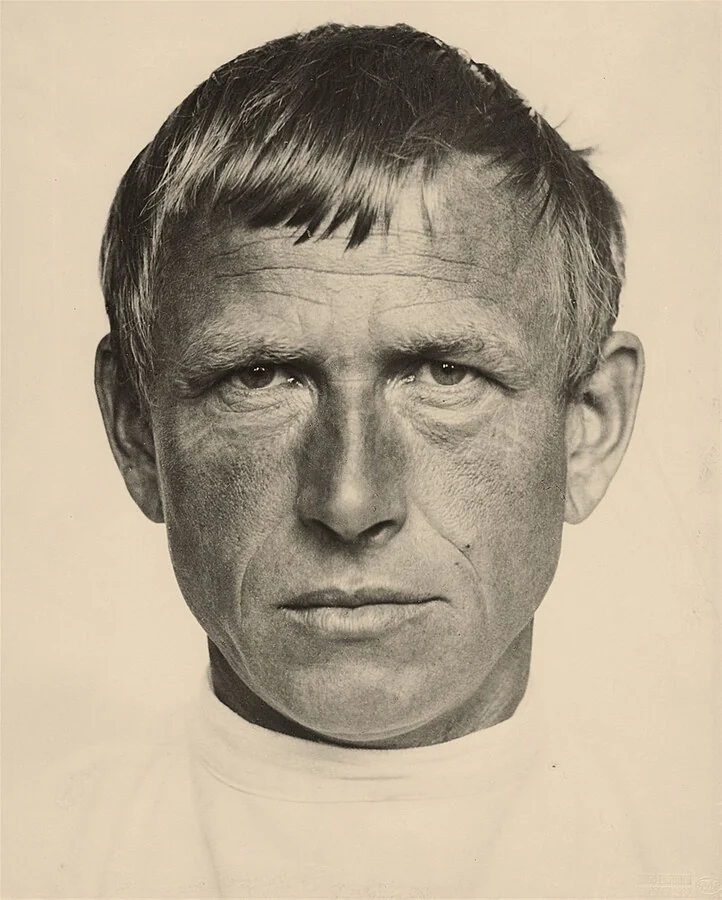
Image from Wikipedia
Image from Wikipedia
Otto Dix – The Uncompromising Chronicler of Modernity
An Artist Between War Fronts, Metropolises, and Ruthless Realism
Otto Dix is considered one of the most compelling German artists of the 20th century. His work combines unflinching realism, figurative precision, and an uncompromising observation of society. The artistic development of the painter, born in 1891 in Untermhaus near Gera, was shaped by education, experiences of war, political upheaval, and the radical modernity of his time. His paintings are not merely decorative surfaces, but visual condensations of contemporary history, violence, and human vulnerability. ([dhm.de](https://www.dhm.de/lemo/biografie/otto-dix))
Biographical Roots and Early Influences
Otto Dix was born on December 2, 1891, as the son of a working-class family and initially completed an apprenticeship as a decorative painter. A scholarship from the Prince of Reuß allowed him to study at the School of Applied Arts in Dresden from 1909. There, he was influenced by Impressionism and Expressionism, while also seeking early dialogue with the tradition of the German Renaissance. This mix of craftsmanship, formal curiosity, and historical reflection would later become the foundation of his distinct visual language. ([dhm.de](https://www.dhm.de/lemo/biografie/otto-dix))
Even in his early artistic phase, Dix experimented with cubist, futurist, and dadaist forms. World War I became a decisive turning point for him: he volunteered on the fronts in France and Russia, initially in field artillery and as a machine gunner. His experiences became a lasting motif in his work. The destruction, mutilation, and psychological impact of the war transformed Dix’s artistic language into one of the most uncompromising testimonies of modernity. ([dhm.de](https://www.dhm.de/lemo/biografie/otto-dix))
The Breakthrough in Dresden, Düsseldorf, and Berlin
After returning from the war, Dix co-founded the “Group 1919” within the Dresden Secession in 1919 with Conrad Felixmüller, turning towards Dadaism. His socially critical works, characterized by a sharply observed and often grotesque realism, sparked early controversies. From 1922, he lived in Düsseldorf before working in Berlin from 1925 to 1927, where his critically analytical painting reached its peak. During this phase, the style that would make him a leading figure of New Objectivity was formed. ([dhm.de](https://www.dhm.de/lemo/biografie/otto-dix))
Particularly the Berlin years are considered crucial for his artistic breakthrough. Dix observed the urban milieu with almost surgical precision: war veterans, courtesans, intellectuals, bohemians, and political figures appear in his paintings as symptoms of a society in crisis. His portraits, including those of Anita Berber, Sylvia von Harden, and Alfred Flechtheim, combine social analysis with formal rigor. The distance of the gaze is never cold, but carried by a deep understanding of human fragility. ([deutsche-biographie.de](https://www.deutsche-biographie.de/dbo030519.html))
New Objectivity, Verism, and the Look at Reality
Otto Dix is most strongly associated with New Objectivity, particularly with Verism. His art remains committed to realism, yet this realism is never merely mimetic. He dissects, condenses, and comments. The figures often appear exaggerated, the compositions are rigorously constructed, and the colors are controlled while being expressively charged. It is precisely this tension between formal clarity and moral urgency that makes his works so distinctive. ([otto-dix.de](https://www.otto-dix.de/werk/e_neue_sachlichkeit?utm_source=openai))
Central works include the large-format triptychs “Metropolis” and “The War,” which are considered monumental visual analyses of the Weimar Republic and its aftermath in art history. The “Self-Portrait with Crystal Ball” from 1931 exemplifies his thinking: Dix presents himself as a seer, translating the political and social crisis of his time into a symbolically condensed visual form. His works combine composition, iconographic allusion, and precise observation into art of great intellectual density. ([deutsche-biographie.de](https://www.deutsche-biographie.de/dbo030519.html))
Persecution, Isolation, and Internal Emigration
With the rise of the Nazis, the conditions changed radically. In 1933, Dix lost his professorship in Dresden, and in 1937 his works were denounced as “degenerate art,” with 260 works confiscated, sold, or destroyed. After a temporary arrest in 1939, he increasingly retreated into a form of internal emigration. Despite repression, he continued to work, often under difficult conditions and with a clear shift towards landscapes and religiously charged themes. ([dhm.de](https://www.dhm.de/lemo/biografie/otto-dix))
The years in the shadow of the regime reveal an artist who does not give up but continues to develop his visual language under pressure. Dix shifted his focus to Old Master landscapes and biblical motifs without losing the critical tension. It is during this phase that it becomes apparent how closely his artistic development was intertwined with the political circumstances. His painting remained a site of resistance, even though it was only limitedly acknowledged in public. ([dhm.de](https://www.dhm.de/lemo/biografie/otto-dix))
Later Work, Recognition, and Art Historical Classification
After 1945, Dix returned to the alla-prima painting of his early years but remained an isolated figurative painter in the post-war period. A complete return to the canon of contemporary art did not happen, even though his artistic rehabilitation occurred gradually. In 1955, he was featured at documenta I, in 1959 he was awarded the Federal Cross of Merit, and in 1960 the mural “War and Peace” was created for the town hall in Singen am Hohentwiel. These stages demonstrate an artist whose significance endured over decades. ([dhm.de](https://www.dhm.de/lemo/biografie/otto-dix))
In East and West Germany, Dix was interpreted differently: in the GDR as an anti-war painter, and in the Federal Republic mainly as a New Objectivist chronicler of the 1920s. His later works, which aimed to move beyond the mythological self-narrative of the “Golden Twenties,” received less attention for a long time compared to the famous works of the Weimar period. However, therein lies an additional depth of his oeuvre: Dix was never merely a painter of crisis years, but an artist who grappled with expression, form, and social diagnosis until the end. ([deutsche-biographie.de](https://www.deutsche-biographie.de/dbo030519.html))
Works, Technique, and Cultural Influence
Otto Dix mastered drawing, printmaking, and painting at the highest level. His works demonstrate exceptional control over line, anatomy, perspective, and composition. At the same time, they connect the precision of old masters with the harshness of modern visual critique. This connection made him one of the most influential figurative artists of modernity and a central reference point for the discourse on war, body, and society in 20th-century art. ([deutsche-biographie.de](https://www.deutsche-biographie.de/dbo030519.html))
Dix is also firmly anchored in international collections and exhibitions. The Museum of Modern Art in New York holds several of his works and clearly positions him within the contexts of Expressionism, figure, and printmaking. His visual worlds have profoundly influenced perceptions of the interwar period and continue to provide a visual language for social upheaval, political violence, and the fragility of modern humanity. Otto Dix thus remains a figure of unbroken relevance. ([moma.org](https://www.moma.org/artists/1559-otto-dix?sanity_preview=true&sanity_preview_secret=d51b1526-f689-4f33-b7c5-896dca252e7a))
Conclusion: Why Otto Dix Still Fascinates Today
Otto Dix is fascinating because he knows no leniency. His art looks where societies prefer not to gaze: at war, injury, repression, and the moral ambiguity of progress. Engaging with Dix means confronting an uncompromising master of realism whose works convince with formal precision and historical weight. An encounter with Otto Dix is always also an encounter with the dark yet resolutely clear side of modernity. ([dhm.de](https://www.dhm.de/lemo/biografie/otto-dix))
His images deserve attention in museums, exhibitions, and in-depth art historical reading. Experiencing Otto Dix live means directly experiencing the tension of his lines, the harshness of his perspectives, and the psychological intensity of his figures. Few other German artists have made the ruptures of the 20th century so vividly visible. ([deutsche-biographie.de](https://www.deutsche-biographie.de/dbo030519.html))
Official Channels of Otto Dix:
- Instagram: No official profile found
- Facebook: No official profile found
- YouTube: No official profile found
- Spotify: No official profile found
- TikTok: No official profile found